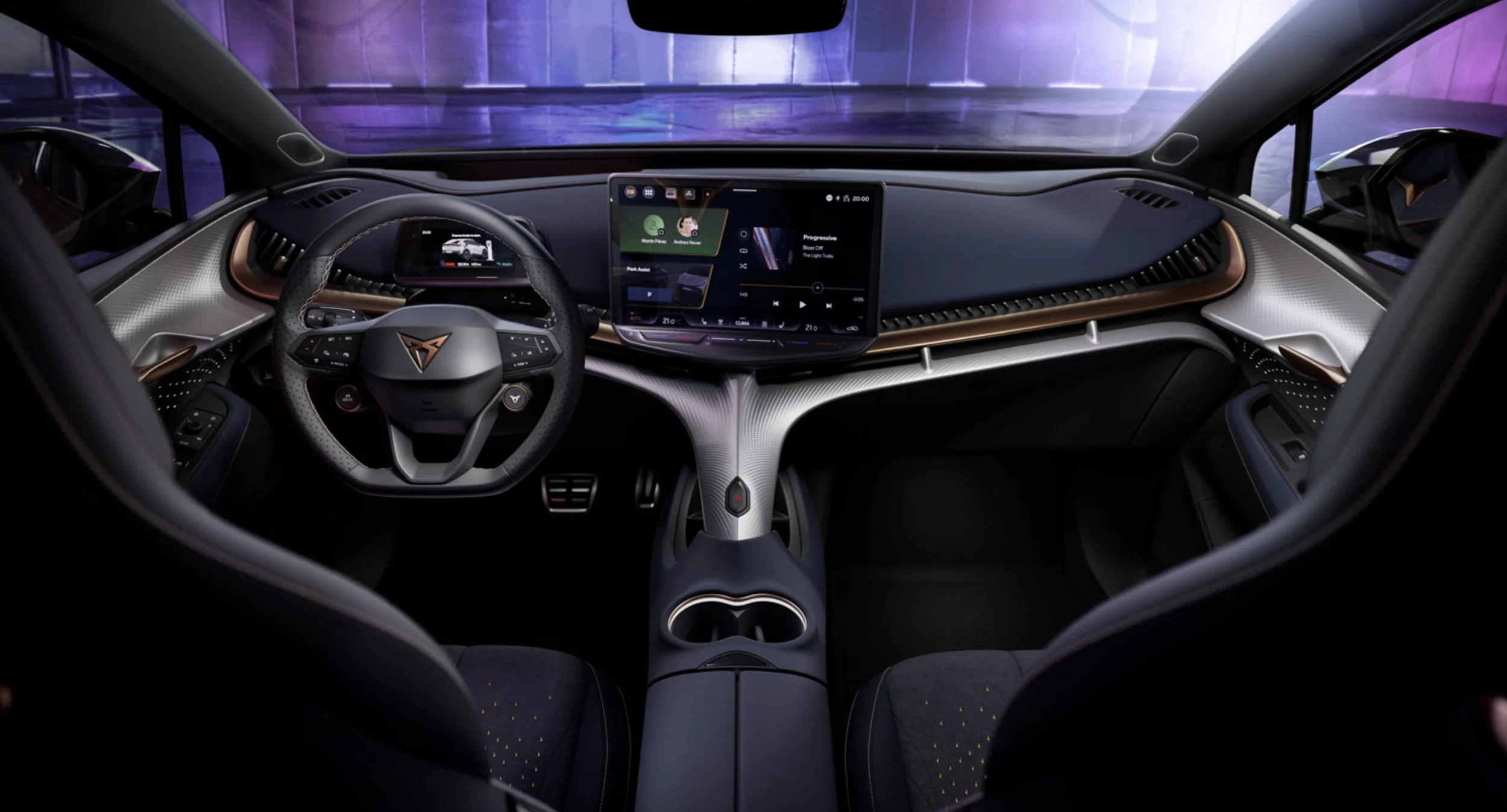
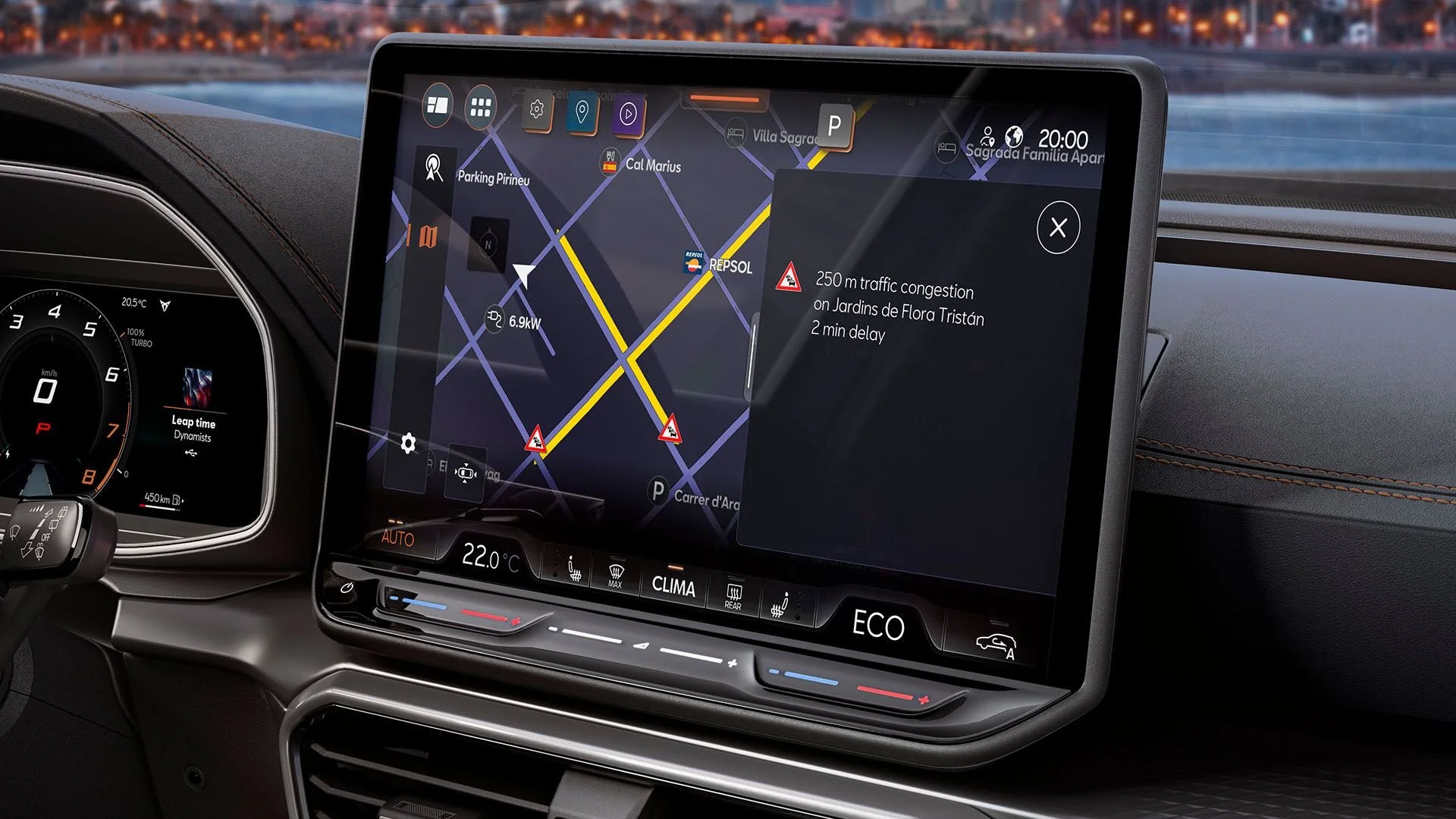
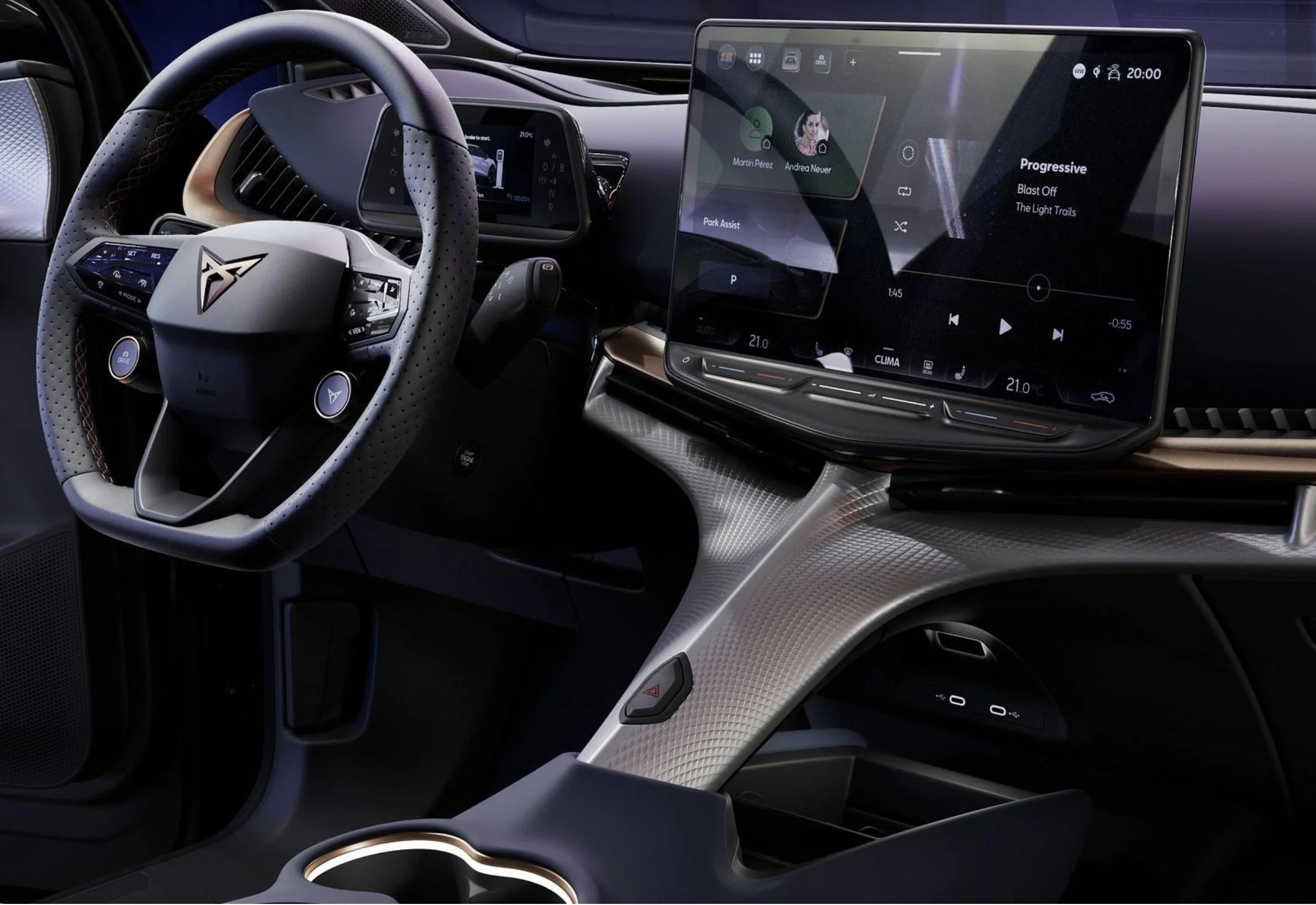
HMI CUPRA
UX Researcher & Strategic Designer
I work as a UX Researcher and Strategic Designer, focusing on how research can drive product strategy, decision-making and experience clarity in complex digital products.
My Role
My role goes beyond conducting studies. I help define what questions are worth answering, when research is needed, and how insights should influence product direction, ensuring decisions are grounded in evidence rather than assumptions.

Research strategy & direction
I lead the definition and prioritization of research initiatives, aligning user insights with product goals and business constraints. This includes framing research questions, selecting appropriate methods, and ensuring each study answers a strategic decision, not just a usability concern.
User behavior & decision-making
I focus on understanding how users:
Interpret system behavior
Make decisions under uncertainty
Balance automation and manual control
Build trust in intelligent or adaptive features
These behavioral insights help teams design experiences that feel clear, predictable and intentional, especially in products with multiple states, modes or levels of autonomy.
From insights to action
A core part of my role is synthesis and translation. I turn research findings into:
Clear product principles
Actionable recommendations
Prioritization criteria
Shared mental models across teams
My goal is to ensure research actively shapes roadmaps, interaction models and design decisions, rather than remaining a static deliverable.
Cross-functional collaboration
I work closely with Product Managers, Designers and Engineers as a strategic partner, supporting alignment and informed decision-making throughout the product lifecycle.
I regularly facilitate conversations where research helps teams:
Reduce ambiguity in early stages
Evaluate trade-offs
Align around user-backed priorities
How I add value
By connecting user behavior, product strategy and system constraints, I help teams build digital experiences that are:
Intuitive without being simplistic
Automated without feeling opaque
Adaptable without increasing cognitive load
This approach is fully transferable to mobile apps, AI-powered products and service design contexts.
Methods applied
-

Explorative studies
Uncover user needs, behaviors, and motivations through contextual observation, focus groups and interviews, identifying pain points and opportunities that guide design decisions.
-

Quantitative methods
User surveys, analytics, A/B testing, and metrics to validate hypotheses and provide data-driven insights that complement qualitative research.
-

Benchmarking
Analyze competitors and industry standards to identify best practices, gaps, and opportunities for innovation and strategic positioning.
-

Journey Mapping
Visualize the user experience across touchpoints to highlight pain points, emotions, and opportunities, helping teams prioritize impactful solutions.
-

Workshops
Facilitate collaborative sessions with stakeholders to co-create ideas, align goals, and translate insights into actionable strategies.